The Psychology of Being Friendzoned
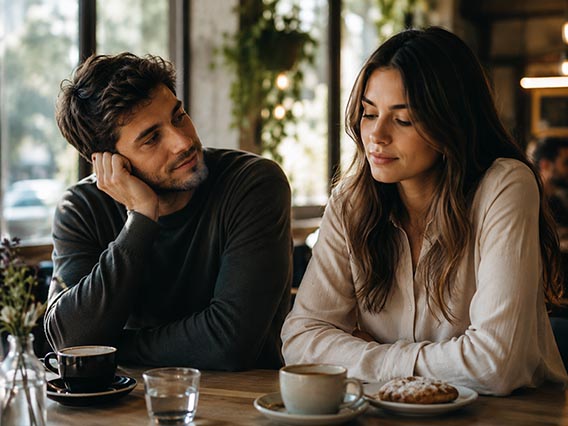
There are few things more frustrating in modern dating than being friendzoned. One party has emotional chemistry, attraction and romantic potential, while the other thinks of the relationship as purely platonic. The result is emotional imbalance. One person becomes emotionally invested while the other stays comfortable with friendship.
Almost everyone who has dated long enough has experienced some version of this situation. It occurs in schools, at jobs, within friend groups, via dating apps, in social media exchanges, and even in long-term friendships. The perplexing aspect is that the bond often seems emotionally intimate. There could be daily texting, emotional backing, shared humor, flirtation, and nonstop chatting. But even with all of those elements, the relationship doesn’t turn into a romantic one.
That emotional confusion is exactly why the friend zone hurts so much. Many people searching for dating advice are not just looking for tips on attraction. They are trying to understand why emotional closeness sometimes creates romance and other times creates only friendship.
The truth is that attraction is more psychological than most people realize. Being friendzoned is usually not caused by one single mistake. It’s often a mix of timing, communication, emotional behavior, confidence, attraction patterns and relationship dynamics.
According to psychologist Jeremy Nicholson in *Psychology Today* the friend zone is when there is a mismatch between romantic feelings between two people. One wants a romantic relationship, the other only friendship.
To understand why this happens we need to explore human psychology and contemporary dating behavior.
The Friend Zone Explained
The friend zone is an emotional space where two people are interested in each other, but not romantically interested in each other.
One person mentally categorizes the relationship as romantic or potentially romantic. The other person categorizes it as safe, familiar, and platonic.
That difference in emotional perception creates confusion because both people may genuinely care about each other. There is an emotional closeness, but the romantic chemistry is only one-sided.
That’s why friend zone situations can become emotionally painful. The relationship often feels almost romantic, but never actually turns romantic.
A study in the *Journal of Social and Personal Relationships* defined friend zoning as a mismatch in expectations and emotional interpretation between two people.
This definition matters because it helps explain why the friend zone is more often than not an act of unintentional emotional mismatch rather than cruelty. More often than not, the other person actually values the friendship and emotional connection, but simply does not feel romantic attraction.
This is hard for many people to accept because emotional intimacy often feels like it should naturally lead to romance.
But attraction doesn’t work like that.
Emotional Intimacy is Not Attraction
A big dating myth says that if you are supportive, loyal, nice, or emotionally available you will develop romantic feelings.
While those traits are valuable in healthy relationships, they do not automatically create desire.
Many people who repeatedly get friendzoned unintentionally create interactions based entirely on emotional safety.
They become:
* emotional support systems
* therapists
* dependable listeners
* constant companions
* always available
Those qualities create comfort, but comfort alone does not always create attraction.
Factors that influence attraction include:
* confidence
* tension
* flirtation
* emotional excitement
* mystery
* chemistry
* physical attraction
* emotional timing
Without those factors, interactions can slowly become emotionally flat instead of romantic.
This is why many people exploring online dating find out quickly that attraction is not just about being “nice.” Confidence, personality, humor, flirting, and emotional energy matter just as much.
The Psychology of Attraction
Human attraction isn’t only emotional, it’s biological. People do not logically choose who they are attracted to the same way they choose a product in a store. Attraction often happens subconsciously.
Psychologists have found that attraction is strongly influenced by:
* emotional tension
* perceived confidence
* body language
* social status
* communication style
* emotional independence
* mystery
* timing
This explains why some people instantly create romantic interest while others repeatedly become “just friends.”
The difference is often not physical appearance alone. A lot of people who get friend-zoned don’t realize they’re giving off friendship energy rather than romantic energy.
Friendship Energy vs. Romantic Energy
One of the biggest psychological differences in dating is the difference between friendship energy and romantic energy.
Friendship Energy
Friendship energy is:
* emotionally safe
* predictable
* comfortable
* stable
* low-pressure
Romantic Energy
Romantic energy is:
* emotionally exciting
* playful
* flirtatious
* slightly unpredictable
* emotionally charged
* physically aware
Many people who are friendzoned do this unwittingly because they take all the romantic tension out of the interaction, because they’re afraid of rejection, or afraid of seeming too aggressive.
Instead of flirting, they go too far in the other direction. Instead of creating attraction, they focus entirely on emotional comfort. Over time, the relationship becomes psychologically categorized as friendship. This is often the case in texting culture and social media interactions, where conversations gradually become emotionally familiar rather than romantically exciting.
People looking for singles near me often find that the most successful dating profiles aren’t always the most conventionally attractive. These are usually the profiles that create curiosity, confidence, humor, and emotional intrigue.
Timing Matters
Timing is a big part of attraction. Someone can truly like another person while still not being emotionally available for romance.
Some reasons attraction may not develop immediately:
* still emotionally attached to an ex
* emotionally burned out
* focused on work or school
* struggles with mental health
* fears commitment
* simply not interested in a relationship at that moment
This is why sometimes attraction develops over time and sometimes it doesn’t.
Research from *The Guardian* found that many romantic couples actually started as friends before becoming romantic partners. But there's a difference between a friendship turning romantic and a friendship where someone is sitting there in silence for years waiting for the feelings to shift.
The Biggest Reason For The Friend Zone: Fear of Rejection
One of the biggest reasons for the friend zone is fear of rejection. Many people never openly express romantic interest because they are afraid of losing the emotional connection they have now. Passive waiting often leads to emotional frustration, not attraction.
Instead, they:
* stay emotionally close
* keep texting constantly
* give emotional support
* hope attraction will develop naturally
But this over time creates more platonic than romantic relationships. Psychologists often observe that people tend to stay in emotionally ambiguous situations because partial emotional access feels safer than direct rejection.
This results in a cycle of painful emotions:
1. Emotional intimacy develops
2. Romantic feelings are formed internally
3. Romantic interest is not expressed
4. Friendship develops
5. Emotional attachment increases
6. Frustration builds
At that point, the friendship becomes emotionally uneven. One person experiences comfort. The other experiences hope and anxiety.
The “Nice Guy” Misunderstanding
The internet often describes the friend zone using the “nice guy” stereotype. But the real psychological issue is usually not kindness itself. Healthy relationships absolutely require kindness. The problem happens when emotional investment becomes transactional. Some people subconsciously believe that enough emotional support, loyalty, or patience should eventually “earn” attraction. But attraction cannot be negotiated. Critics of the friend zone concept say that it’s entitlement, not emotional compatibility. But many friend zoned people are not entitled or manipulative. They’re just emotionally attached to someone who has no romantic chemistry.
That emotional pain is real.
The Friend Zone is Worse on Social Media
Social media has made the psychology of the friend zone so much worse. In the past, rejection often created emotional distance naturally. Today, people remain digitally connected even after romantic rejection.
Someone can:
* watch your stories
* like your photos
* send memes
* text casually
* maintain emotional contact
* occasionally flirt
—but never actually pursuing a romantic relationship.
Psychologically, this creates intermittent emotional reinforcement.
Behavioral psychology shows that inconsistent rewards can create extremely strong emotional attachment patterns. Occasional attention often keeps hope alive much longer than complete emotional distance would. That’s why many struggle to move on emotionally from the friendzone.
Why Some People Get Friendzoned Again and Again
Some people get friendzoned repeatedly with numerous people. Very often this is due to repeating the same emotional patterns.
Friendzone Patterns
People who get friendzoned repeatedly tend to:
* not flirt directly
* be afraid of rejection
* invest too much emotionally too soon
* be too available
* seek constant validation
* value emotional comfort over attraction
* put the other person on a pedestal
People who naturally create attraction tend to:
* flirt confidently
* have boundaries
* tolerate uncertainty
* communicate directly
* have emotional independence
* avoid desperation
This doesn’t mean someone should become manipulative or emotionally distant.
Confidence and Emotional Independence
Confidence is one of the most psychologically attractive traits because it signals emotional stability and self-respect. Those who find themselves in the friend zone again and again often unconsciously create an emotional imbalance. They focus too much on approval and validation. They get emotionally dependent on the outcome of the relationship.
The reason confident people behave differently is because they:
* are open with their communication
* don’t take rejection personally
* don’t lose self-respect
* don’t get emotionally over-invested
* keep their identity outside the relationship
These things lower the emotional stakes and often make attraction feel more organic. Attraction grows more easily in emotionally relaxed situations than in emotionally needy ones.
How Dating Apps Changed Modern Attraction
Dating apps completely changed modern relationship psychology. People now have endless access to potential romantic options. Because of that, attraction decisions often happen faster than before.
In modern dating culture:
* attention spans are shorter
* emotional investment happens quickly
* competition is higher
* conversations move faster
* people emotionally multitask
This has created a modern version of the friend zone sometimes called “soft friendzoning.”
This happens when someone:
* keeps replying
* maintains conversation
* occasionally flirts
* stays emotionally available
—but never actually commits romantically.
Many people browsing dating profiles quickly recognize this pattern. Conversations may feel emotionally engaging while remaining permanently non-committal.
Can Attraction Develop Later?
Yes, sometimes. Attraction can happen later. Many healthy relationships begin as friendships. But attraction doesn’t usually develop through waiting endlessly or sacrificing feelings — it develops naturally through emotional chemistry and mutual romantic energy.
Attraction is more likely to develop when:
* both people are emotionally available
* confidence is maintained
* flirtation exists
* emotional independence exists
* mutual chemistry develops naturally
Attraction is less likely to develop when:
* emotional dependency develops
* resentment develops
* desperation develops
* boundaries disappear
* one person develops an emotional obsession
Ironically, emotional distancing and emotional independence often change attraction dynamics more effectively than trying harder.
How the Friendzone Affects Your Feelings
Getting stuck in the friendzone over and over again can start to hurt your confidence.
People often begin believing:
* they are unattractive
* they are undesirable
* they are “not enough”
* something is fundamentally wrong with them
But attraction is highly situational.
Chemistry depends on:
* timing
* personality compatibility
* emotional readiness
* communication style
* physical attraction
* attachment styles
* life circumstances
One person rejecting you does not determine your value in dating. This distinction is psychologically important because self-worth and attraction are not the same thing.
How Not To Get Friend-Zoned
Attraction is not a magic formula, because humans are complicated. But there are a few behaviors that will reliably reduce your chances of getting stuck in emotionally one-sided situations.
1. Signal Romantic Interest Earlier
Don’t sit on romantic intent for months while pretending to only want friendship.
2. Generate Romantic Energy
Flirting, teasing, eye contact, confidence and emotional tension are psychologically important.
3. Be Emotionally Independent
Don’t make one person your whole emotional world.
4. Don’t Put Too Much In Too Soon
When you put too much emotion before there is mutual attraction it throws things off balance.
5. Take Rejection Well
Confidence is emotional resiliency.
6. Find Mutual Chemistry
Healthy dating is based on mutual chemistry.
Looking for casual dating or emotionally compatible relationships? Focus on chemistry rather than trying to change someone’s mind.
Final Thoughts
The psychology of the friendzone is really about emotional mismatch. One person sees potential for a romantic relationship. The other is in a relationship that offers emotional comfort but no romantic attraction. This can be confusing because emotional intimacy can appear very much like romance from an outside perspective. Attraction is more than the emotional connection. Confidence, timing, flirtation, chemistry, communication, emotional independence and mutual desire all play a role in how relationships develop. What is most important to understand is that being friendzoned doesn’t mean you’re unattractive or unlovable. Often it simply means the emotional dynamic between two people was out of balance. And though rejection stings, it can be healthier than staying emotionally stuck in constant limbo.
The best relationships tend to be the ones where attraction, effort, emotional investment, and romantic intent come naturally and apply to both parties.